
Protecting Grandchildren From a Bipolar Parent: A Grandparent’s Guide
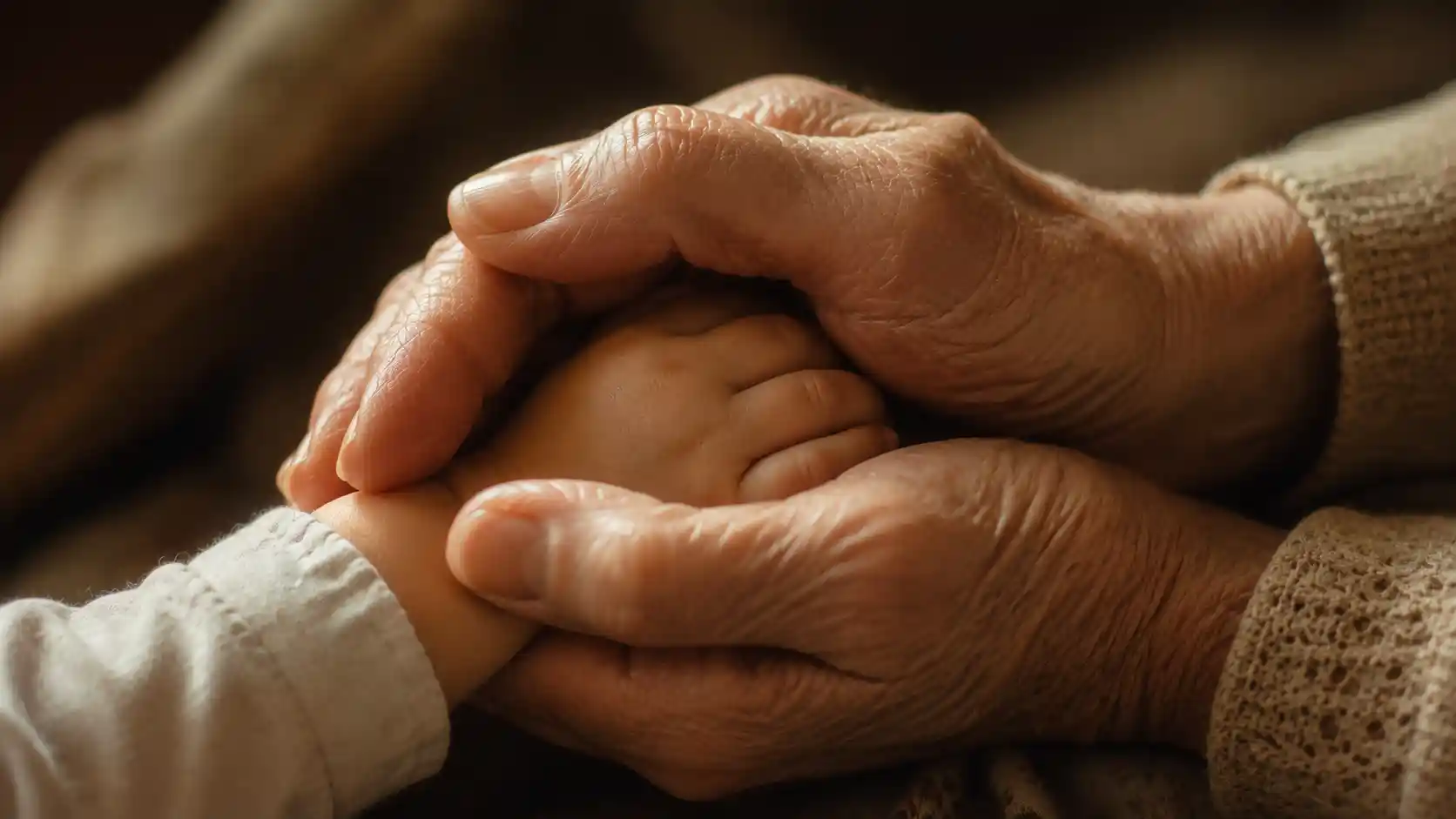
Quick Answer: Protecting a Grandchildren from a bipolar parent in manic or addiction-fueled episodes requires prioritizing the child’s physical and emotional safety above all else. Grandparents can act as a shield by de-escalating the environment, supporting the healthy spouse, and creating a safe physical distance without trying to reason with the parent during a crisis.
When my son is in the grip of a manic episode, or when the dark shadow of addiction takes over, the chaos is terrifying. But the true nightmare—the one that makes my heart ache so deeply I feel like I might faint—is seeing my 3-year-old grandson caught in the middle of it.
I see him terrified, clinging to his trembling mother. He watches the father who should be his safe harbor transform into someone unrecognizable. As a grandmother, you find yourself torn in a conflict where everyone is a victim: your sick child, the traumatized spouse, the innocent grandchild, and you.
If you are a grandparent navigating the dual diagnosis of bipolar disorder and addiction in your adult child, you are not alone. Here is how you can help shield the innocence of your grandchildren when the storm hits.
The Trauma of Witnessing an Episode
Children do not understand mania, psychosis, or substance abuse. What they see is danger. One of the most unbearable things to witness is the confusion in my grandson’s body—laughing with tears in his eyes, his tiny frame shaking, searching for a spark of light in the room, hoping the nightmare is over.
When an episode occurs, the child’s safety must come first. The fear that these early traumas will scar them, or even trigger mental health struggles later in life, is a heavy burden for any grandparent.
How to Act as a Shield During a Crisis
In the middle of a bipolar episode, logic does not work. You cannot reason with mania, and you certainly cannot reason with addiction. Your only goal is to de-escalate and protect.
- Prioritize immediate physical distance: Do not try to argue with your adult child. Focus entirely on moving the grandchild and the spouse to a safe, quiet room or out of the house.
- Offer physical comfort: Sometimes, words fail. When my grandson refuses to take a toy or distract himself, and starts to scream out of fear, I simply try to wrap my arms around both him and his mother. Holding them together offers a physical barrier of safety.
- Do not force separation: If the child’s mother (or healthy parent) is terrified and refuses to hand the child over to you, do not fight her. Her maternal instinct is in overdrive. Stay close, stay calm, and protect them as a unit.
The Added Nightmare of Dual Diagnosis (Addiction)
When bipolar disorder is complicated by substance abuse—a condition known as dual diagnosis which, according to the National Alliance on Mental Illness (NAMI), requires highly specialized care, the home environment becomes physically dangerous for a child.
- The invisible dangers: Drugs bring a different level of hazard. The smell of the substances, the erratic behavior, and the terrifying possibility that a child might accidentally ingest leftover drugs or find dangerous paraphernalia requires hyper-vigilance.
- Breaking the cycle: We desperately want to hide this reality from our grandchildren. We do not want them to normalize addiction or copy what their parent is doing. If substances are present in the home, removing the child from that environment is not a choice; it is an absolute necessity.
Supporting the Spouse (The Hidden Victim)
As the mother of the person causing the pain, the guilt is crushing. I often look at my daughter-in-law and feel a deep sense of responsibility because he is my son. Yet, I also feel immense solidarity with her. She is an innocent victim, often hiding her suffering from her own family out of love for my son, terrified they will tell her to leave him.
If you are a grandparent supporting a daughter-in-law or son-in-law:
- Offer a judgment-free zone: I have offered financial support to help her leave, but the attachment is strong, and leaving is rarely simple. When you cannot fix the situation, become a sponge for their pain. Let them cry, let them speak, and just listen.
- Absorb the suffering: You are the parent. Sometimes, your job is to absorb the pain of both your sick child and the spouse who is trying to hold the pieces together.
A Message to Other Grandparents
I wish I had a magical solution to offer you. The truth is, I struggle every day, and my heart breaks a little more each time. But if I can give one piece of advice to another grandmother walking this path: Get the child to safety first, and do not try to reason with the illness.
When my son returns to his normal state, the remorse he feels is agonizing. He loves his family. But the illness and the addiction do not care about love. Protect the innocence of the children, support the healthy spouse, and remember that you are doing the best you can in an impossible situation.
FAQ: Grandparents and Bipolar Disorder
Genetics do play a role in bipolar disorder, meaning the risk is slightly higher if a parent has it. However, it is not a guarantee. As a grandparent, the best thing you can do is focus on providing a stable, calm, and trauma-free environment, as high stress and childhood trauma are also major triggers for mental health struggles later in life.
At age 3, a child cannot understand psychiatric diagnoses or addiction. They only understand safety and fear. Keep it simple. You can say, “Daddy is feeling very sick right now, and his brain is making him act loud. We are going to play in the other room until he feels better.” The goal is to reassure them that it is not their fault.
It is agonizing to watch a healthy spouse stay in a dangerous situation. Often, they stay out of fear, financial dependence, or false hope. Do not attack her or issue ultimatums, as this may isolate her further. Make sure she knows your door is always open for her and the child, no questions asked, whenever she is ready.
Custody laws vary wildly depending on where you live. If the child is in immediate, life-threatening danger due to active addiction or severe psychosis, you may need to involve local child welfare agencies (you can find resources through the Child Welfare Information Gateway or seek emergency temporary custody. It is a heartbreaking step, but it is crucial to consult with a family law attorney in your area to understand your legal rights as a grandparent.